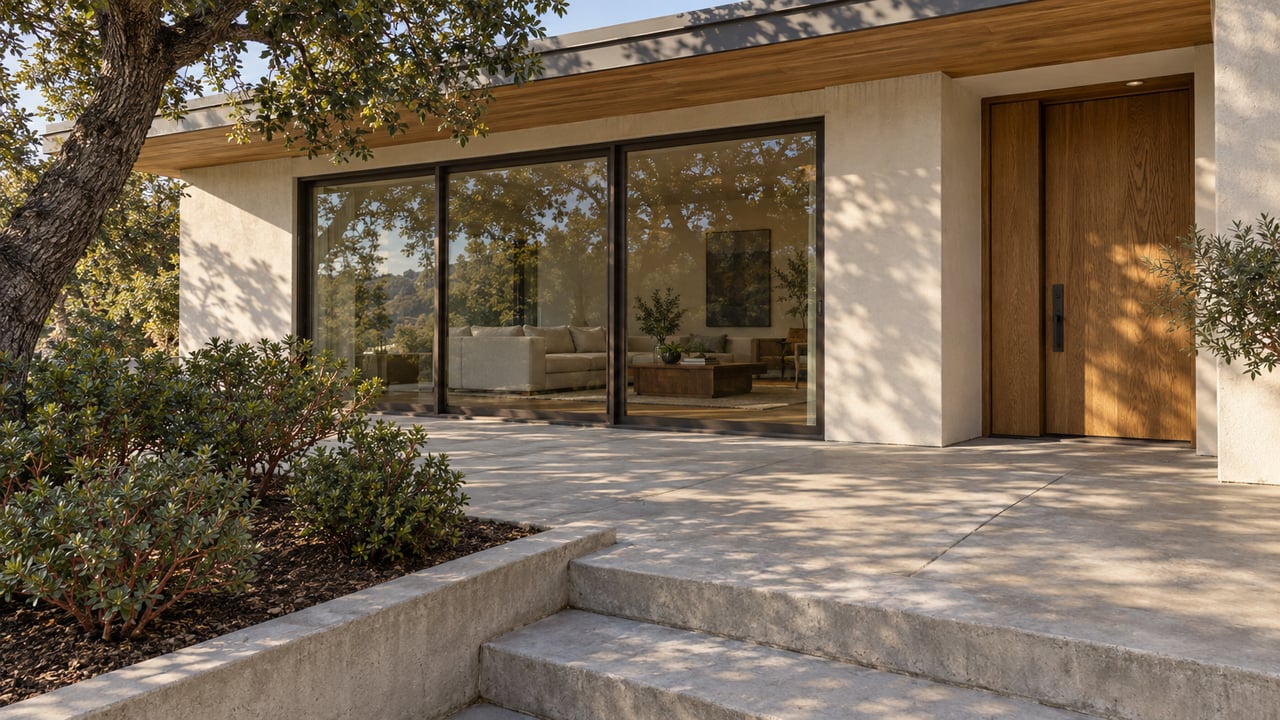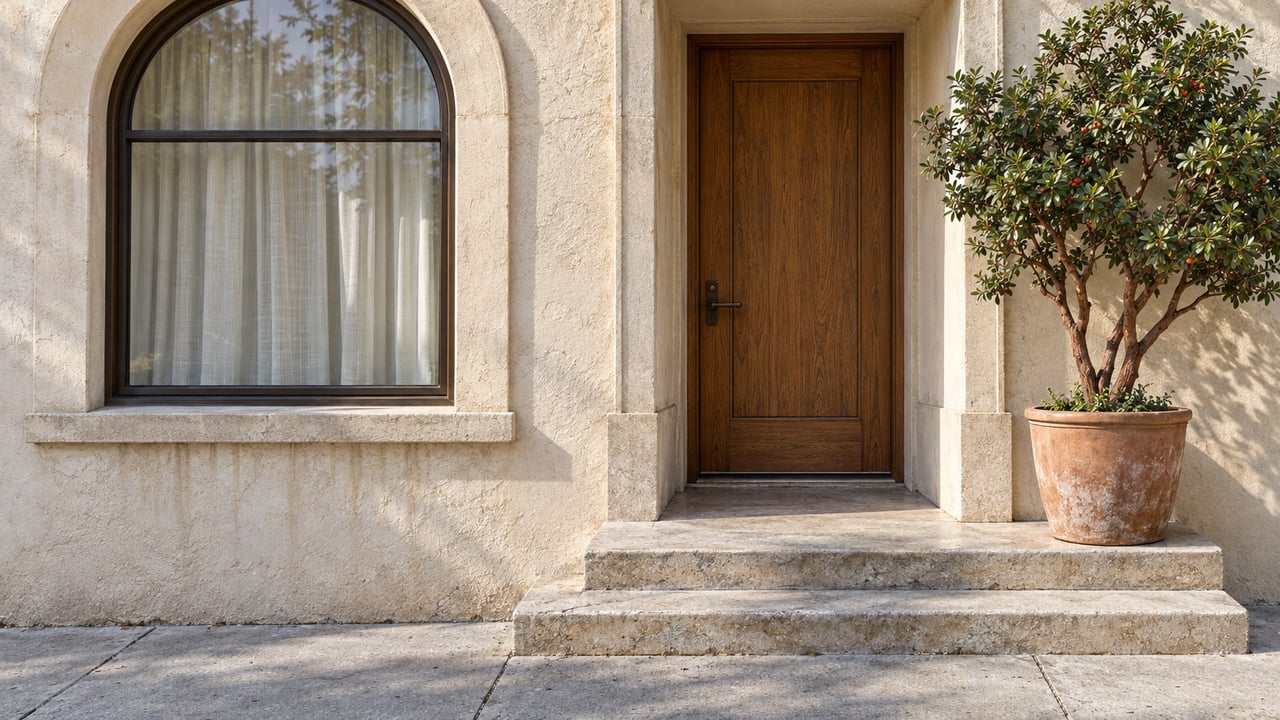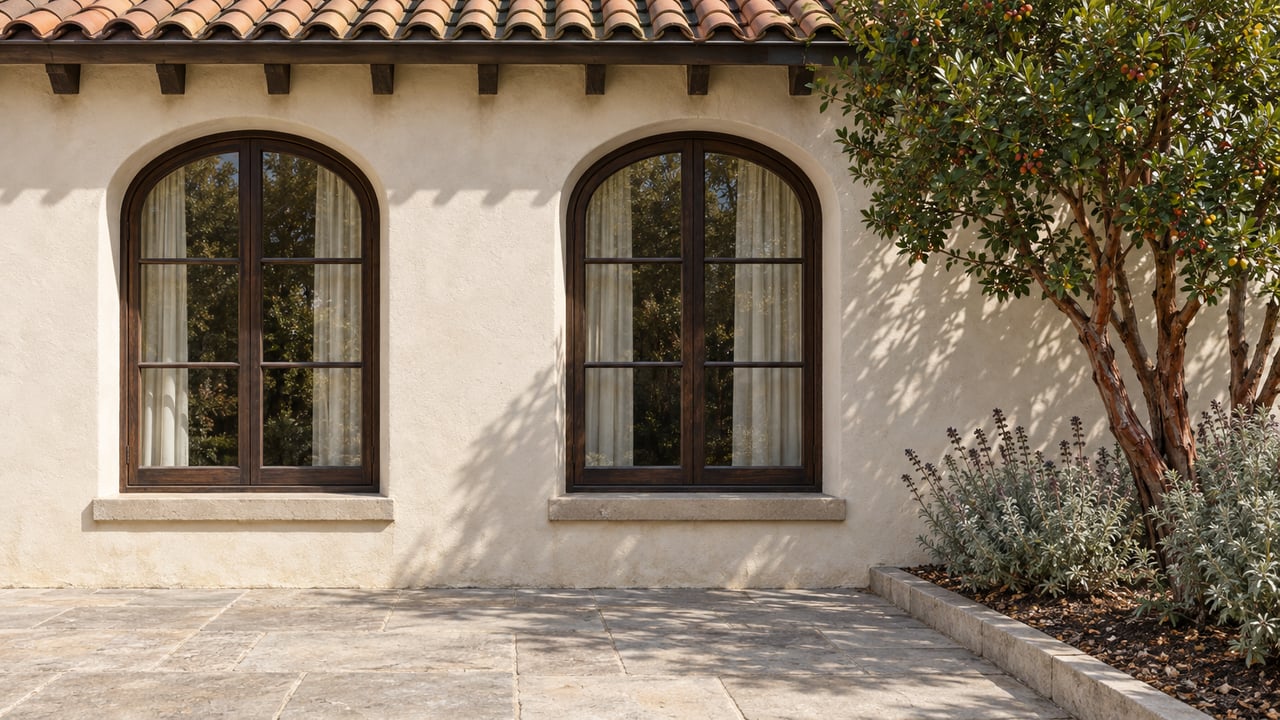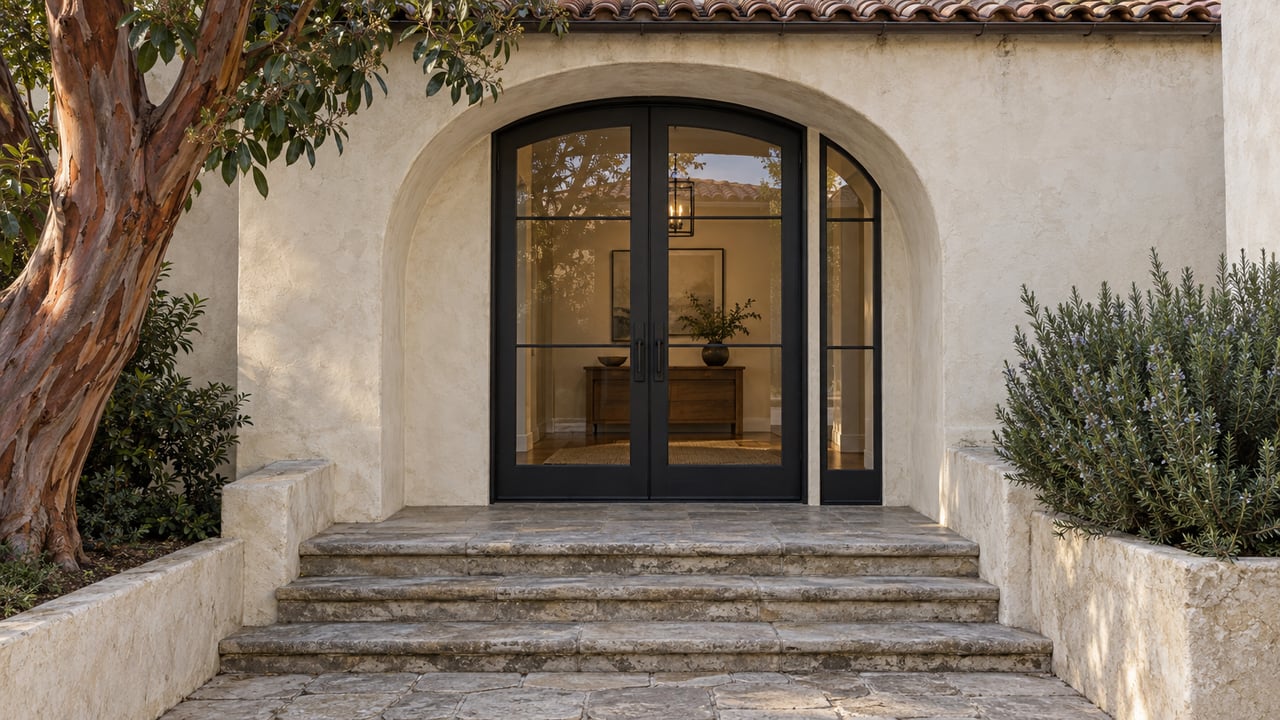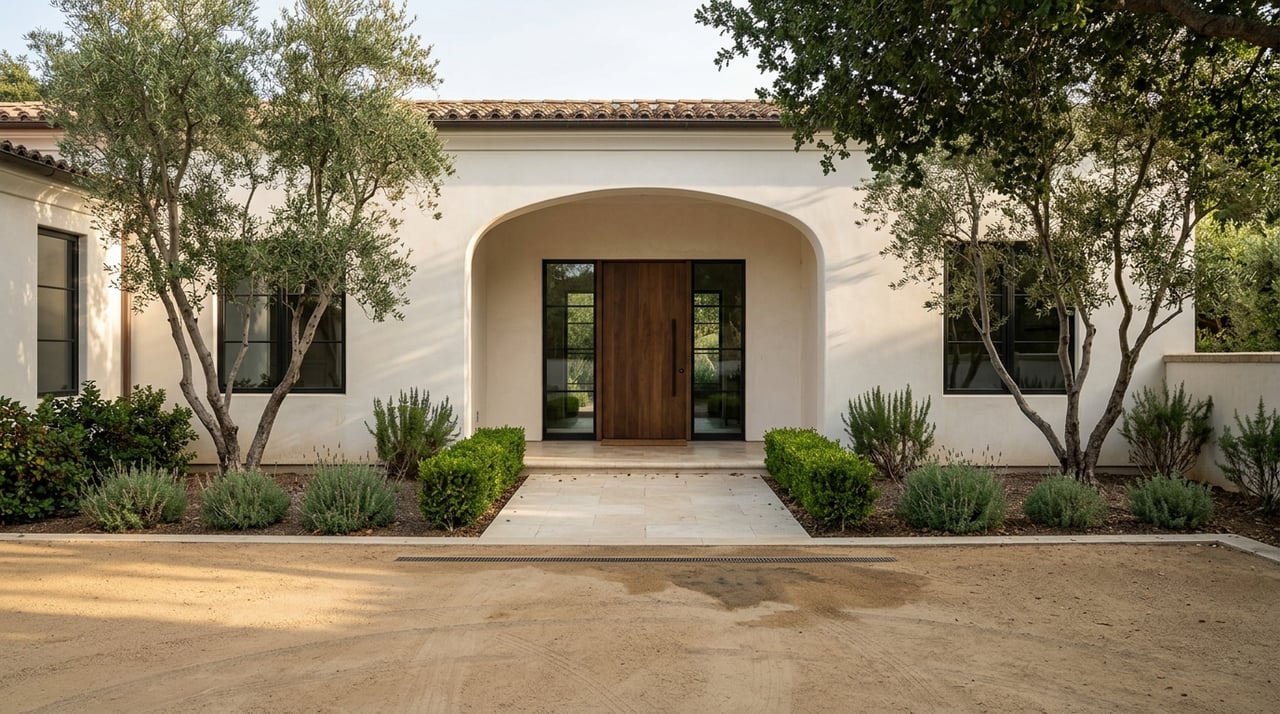
If you are thinking about selling a Hillsborough estate, timing matters more than many owners expect. In this market, buyers move quickly, but preparation often takes much longer because exterior changes, site work, and documentation can trigger local review and permits. A smart plan can help you protect value, reduce surprises, and bring your home to market with confidence. Let’s dive in.
Why Hillsborough prep starts early
Hillsborough is not a market where you want to improvise a listing plan a few weeks before photos. The town’s Residential Design Guidelines are meant to preserve landscape, architecture, and overall setting, and the Architecture and Design Review Board reviews many visible exterior changes.
That matters if you are considering updates to landscaping, fencing, gates, or other outdoor features before listing. In practical terms, preparing a Hillsborough estate is often a project-management exercise, not just a staging exercise.
Current market conditions raise the stakes. Redfin’s May 2026 data shows a median sale price of about $7.13 million, homes going pending in around 10 days, and sales at roughly 103.5% of list price in a somewhat competitive market. When buyers act fast, your presentation, condition, and paperwork need to be ready on day one.
Build a realistic seller timeline
A well-prepared estate usually benefits from a 6 to 18 month runway, depending on the scope of work. The earlier you start, the more choices you have.
12 to 18 months out
Start by verifying what is already legal, permitted, and documented. Hillsborough notes that unpermitted work can reduce value and, in some cases, may require removal, vacancy, or costly repairs if issues come to light during a sale.
This is the right time to review permit history and compare it with the home as it exists today. If additions, site features, drainage improvements, landscape systems, fences, gates, or tree work were done over time, confirm that records are complete before you invest in cosmetic upgrades.
If you are considering larger exterior improvements, contact Planning early. Hillsborough’s ADRB process requires a pre-application meeting, does not accept incomplete applications, and encourages early neighbor outreach within a 500-foot radius. That can add meaningful time to your schedule.
6 to 9 months out
Next, identify defects before buyers do. A pre-sale inspection is not required, but it can surface issues before your home is shown and help you decide what to repair, what to disclose, and where a credit may make more sense.
A typical seller inspection can review the structure, roof, exterior, plumbing, electrical, heating and air conditioning, interiors, insulation, ventilation, and fireplaces. Depending on the property, additional testing may be relevant as well.
For a Hillsborough estate, this step is especially valuable because buyers at this price point tend to examine condition, systems, and paperwork closely. The goal is not perfection. The goal is to remove avoidable uncertainty.
If your home was built before 1978 and any painting or remodeling work will disturb existing surfaces, paid contractors must follow lead-safe renovation rules and use properly certified professionals. That is an important detail to confirm before work begins.
3 to 4 months out
As your listing window gets closer, shift your focus to the support file. Gather warranties, guarantees, user manuals, inspection reports, permit sign-offs, and invoices for major systems or site work that will stay with the property.
This is also the right time to organize your disclosure packet. In California, the Transfer Disclosure Statement addresses property condition and is not a warranty or a substitute for inspections. California guidance also makes clear that agents and brokers have active disclosure duties based on a visual inspection of accessible areas in 1 to 4 unit residential property.
Focus on permits before cosmetics
In many markets, sellers start with paint colors and staging. In Hillsborough, it often makes more sense to start with permits and approvals.
The town lists many common seller-facing projects as permit-triggering work, including fences, gates, pools, landscaping, landscape watering and drainage systems, and tree removal. If you are touching any of these items before listing, confirm the permit path first.
That simple step can save time, money, and last-minute stress. It also helps you avoid a situation where attractive new work creates questions during buyer diligence because the paperwork is incomplete.
Address older-home disclosure issues early
Older estates often carry extra disclosure and renovation considerations. If your home was built before 1978, sellers and agents generally must disclose known information about lead-based paint and lead hazards before the sale of most target housing.
California disclosure guidance also notes that buyers of pre-1978 target housing are generally offered 10 days to inspect for lead-based paint hazards unless that period is changed or waived in writing. If your property falls into this category, prepare those materials early so your package is complete and consistent.
This is another reason to avoid last-minute prep. When disclosure items are handled in an orderly way, buyers are more likely to focus on the property itself rather than on unanswered questions.
Check pool, spa, and safety features
If your estate includes a pool or spa, confirm that any planned work lines up with California requirements before listing. California’s Swimming Pool Safety Act requires at least two of seven drowning-prevention features when a building permit is issued for construction or remodeling at a private single-family home.
State public-health guidance identifies a four-sided isolation fence as the best barrier and also includes options such as self-closing and self-latching gates, safety covers, exit alarms, and pool alarms. Local code officials inspect these features before final approval when permit-triggered work is involved.
For sellers, the practical takeaway is simple. If the pool, spa, fence, gate, or related equipment will be updated before the home goes on the market, confirm the permit and inspection path before work starts.
Don’t overlook trees and drainage
On larger Hillsborough properties, tree work and drainage can have a real impact on preparation timelines. The town includes tree removal, landscaping, and landscape watering and drainage systems in its list of permit-triggering residential work.
If your property has mature landscaping, sloped areas, or site drainage improvements, review these items carefully before launch. Even when they are not the most visible features in marketing, they can become important during inspections and buyer review.
Present the estate with intention
Once the legal and physical groundwork is in place, presentation becomes much more powerful. Seller guidance commonly points to cleaning, decluttering, landscaping, front-entry appeal, fresh paint, and staging as ways to improve first impressions and photography.
In Hillsborough, the exterior story matters even more because the town’s design framework explicitly covers landscaping, fencing, and gates. Buyers are not just reacting to a beautiful image. They are responding to whether the house, grounds, and improvements feel coherent with the site and architecture.
For a larger estate, the strongest marketing narrative often goes beyond bedroom counts. Depending on the property, it may be more effective to center the story on land, privacy, indoor-outdoor flow, entertaining, guest accommodations, and the condition of major systems.
What discerning buyers notice
Buyers in this segment often notice details that are easy to underestimate when you live in the home every day. They will look at how the arrival sequence feels, whether landscaping appears maintained, how outdoor areas connect to interiors, and whether deferred maintenance has been addressed.
They also tend to pay close attention to documentation. Clean permit history, organized disclosures, inspection reports, and service records can strengthen confidence and reduce friction during negotiations.
That is why preparation is not just about making the home look better. It is about making the buyer’s decision easier.
A smart prep plan for sellers
If you want a simple framework, focus on these steps:
- Review permit history and as-built documentation
- Identify any unpermitted or incomplete prior work
- Consult Planning early for major exterior changes
- Order pre-sale inspections with enough time to respond
- Confirm lead-safe renovation requirements for pre-1978 homes
- Verify pool, spa, gate, and safety-feature compliance if work is planned
- Check tree, drainage, and landscape permit triggers
- Gather warranties, manuals, invoices, and permit sign-offs
- Organize disclosures well before photography and launch
- Stage and present the property only after the foundational issues are addressed
Why strategy matters in today’s market
With Hillsborough homes moving quickly and values at a premium, the cost of poor preparation can be high. A rushed launch may lead to disclosure gaps, buyer hesitation, repair renegotiations, or missed opportunities to present the estate at its best.
A measured plan gives you more control over timing, privacy, and outcome. It also helps you make decisions with a clear eye on value, rather than reacting under pressure once the property is already on the market.
Selling a Hillsborough estate requires more than taste. It calls for disciplined coordination, careful documentation, and a market strategy that respects both the property and the town’s review standards. If you are preparing for a future sale and want a calm, design-forward plan built around discretion and execution, connect with Roh Habibi.
FAQs
What makes preparing a Hillsborough estate different from preparing other Bay Area homes?
- Hillsborough preparation often takes longer because visible exterior work may require local design review, permits, or both, especially for landscaping, fences, gates, tree work, and drainage-related improvements.
How far in advance should you start preparing a Hillsborough home for sale?
- A sensible timeline is often 6 to 18 months, depending on whether you need to verify permits, complete inspections, or pursue larger exterior improvements through the town review process.
What should Hillsborough sellers review before making cosmetic updates?
- You should first review permit history, as-built conditions, and whether prior work was properly documented, since unpermitted work can affect value and create issues during a sale.
Should you get a pre-sale inspection for a Hillsborough estate?
- A pre-sale inspection is not required, but it can help you uncover condition issues early and decide which items to repair, disclose, or address with a credit strategy before buyers weigh in.
What do sellers of pre-1978 Hillsborough homes need to know?
- If the home is pre-1978, sellers and agents generally must disclose known information about lead-based paint and lead hazards, and paid contractors disturbing painted surfaces must follow lead-safe renovation rules.
What should Hillsborough sellers know about pools, spas, and gates before listing?
- If you plan to update a pool, spa, fence, gate, or related equipment, confirm the permit and inspection requirements first because California safety rules may apply when permit-triggered work is involved.