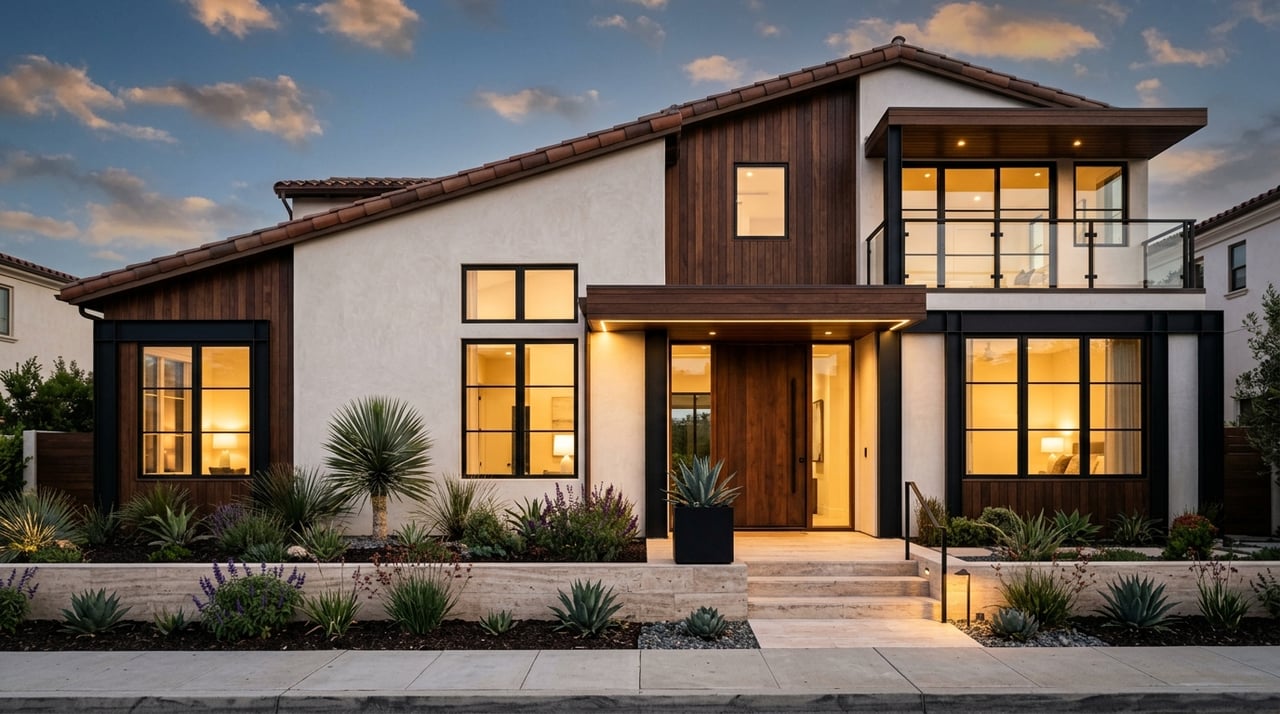
If you want a Bay Area town where daily life can feel both grounded and polished, Lafayette deserves a closer look. You may be searching for more outdoor access, an easier evening routine, or a home setting that balances space with convenience. The appeal here is not just one feature, but how the hills, parks, downtown core, and housing mix work together. Let’s take a closer look at what everyday living in Lafayette can actually feel like.
Lafayette’s daily rhythm
Lafayette has a distinct physical layout that shapes how you live day to day. Downtown is generally flat, while much of the city extends into hillsides and ridgelines, including areas such as Reliez Valley, Acalanes Valley, Happy Valley, and Burton Valley. That creates a lifestyle with a compact center and more spread-out residential areas beyond it.
In practical terms, you get a town that often feels green, residential, and calm, with a clear downtown anchor. You might start your morning with coffee or errands near Mt. Diablo Boulevard, spend part of the day outdoors, and return downtown for dinner or a drink. That flow is a big part of Lafayette’s appeal.
Hills shape the feel of town
The topography in Lafayette is not just scenery. It influences neighborhood patterns, housing types, and how different parts of the city feel from one another. The city’s planning documents describe Lafayette as a low-density suburban community with access to jobs, goods, and services, and the hillside setting plays a major role in that identity.
If you are comparing Lafayette to other East Bay locations, this matters. Some buyers want the convenience of a more walkable core, while others are drawn to larger residential settings in hillside areas. Lafayette offers both experiences, depending on where you focus your search.
Downtown feels compact and accessible
The flatter downtown area supports a more convenient daily routine. Dining, shopping, and gathering places are concentrated in a relatively tight area, especially along Mt. Diablo Boulevard, Lafayette Circle, Moraga Road, and nearby side streets. That gives downtown a clear sense of place without feeling oversized.
For buyers who value a more connected routine, this can be a meaningful advantage. A condo, mixed-use residence, or nearby home may offer easier access to restaurants, cafés, and local activities. It is a different living pattern from the city’s larger-lot hillside settings.
Hillside areas feel more residential
Outside downtown, Lafayette becomes more defined by its hills, open space, and lower-density housing pattern. This is where the town’s more residential character becomes especially visible. The setting can feel quieter and more expansive, with topography playing a strong role in how homes are placed across the landscape.
That said, hillside living also comes with practical considerations. The city notes that roughly 46% of Lafayette is within a very high fire hazard severity zone, and hillside and ridgeline development is regulated through the Hillside Overlay District. If you are evaluating homes in these areas, location and property-specific planning details matter.
Parks and trails support everyday life
One of Lafayette’s strongest lifestyle advantages is how easy it is to build outdoor time into a normal week. The city maintains six parks, seven neighborhood trails, a community center, and recreation programs for all ages. It also highlights more than 16 miles of hiking trails, with access that connects closely to the surrounding hills and open space.
This is not just a weekend benefit. In Lafayette, outdoor access can become part of your regular routine, whether that means a morning walk, an afternoon playground stop, or a longer trail outing when time allows.
Community Park is a central local amenity
Community Park is one of the city’s most useful day-to-day assets. The 68-acre park includes sports fields, a playground, picnic areas, and a natural trail through the park. That mix supports a wide range of uses without requiring a big production to enjoy it.
For many households, this kind of park becomes part of the weekly rhythm. It can be a place for recreation programs, informal outdoor time, or a simple reset after a busy day. When a city has this level of usable public space, it tends to show up in how people actually live.
Lafayette Reservoir adds year-round access
The Lafayette Reservoir is another major outdoor anchor. Operated by EBMUD, this year-round day-use park is about one mile from Lafayette BART and offers hiking, jogging, fishing, boating, picnicking, rental rowboats, pedal boats, and a disabled-access fishing dock. It is one of the clearest examples of Lafayette’s mix of convenience and outdoor access.
For buyers coming from denser parts of the Bay Area, the Reservoir often helps explain Lafayette’s appeal. You can have access to nature and recreation without stepping away from a well-established suburban setting. That combination is not easy to find.
Trails connect the town to open space
Lafayette’s trail system reinforces the outdoor lifestyle. The city highlights the Lafayette-Moraga Trail, trails at the Reservoir and in Briones, and the 17.5-mile Lamorinda Loop Trail that runs through Lafayette, Moraga, and Orinda. These routes help connect neighborhoods to broader open-space experiences.
If you value movement, scenery, and usable outdoor infrastructure, this matters. It means outdoor access is not limited to one destination. Instead, it is part of the larger fabric of the town.
Downtown dining adds flexibility
Lafayette’s downtown gives the city an evening and weekend rhythm that complements its residential setting. The official Eat + Drink directory shows a broad mix of coffee shops, quick bites, date-night restaurants, full-bar venues, outdoor dining, and sweet shops. That variety helps make downtown feel active without losing the town’s smaller-scale identity.
In real life, this can make your week simpler. You can run errands, meet for coffee, have a casual lunch, or plan dinner without leaving town. For many buyers, that convenience is just as important as square footage.
A strong cluster creates walkable options
Dining and hospitality businesses are concentrated in the downtown core, which supports a more walkable experience once you are there. The city also describes downtown as a place to gather, dine, shop, and connect, and its weekly roundup regularly spotlights restaurants, cafés, specialty retailers, live music, and family activities.
That concentration matters because it creates choices. Whether you want a quick stop or a more social evening, downtown offers multiple options in a compact area. The result is a town where evenings can feel easy rather than overly planned.
The mix is broad enough to fit different routines
The city’s directory includes names such as Wine Thieves, Postino, Park Bistro & Bar, Locanda Positano, Social Bird, Tutu’s Food & Drink, and Headlands Brewing. The point is not just that Lafayette has restaurants. It is that the range supports different moods and routines, from casual meetups to more polished nights out.
For a buyer, this kind of downtown variety can change how often you use your local area. When a town offers both outdoor access and a credible dining scene, it tends to support a more complete daily lifestyle. That can be especially appealing if you want more balance close to home.
Community events add connection
Lafayette also has civic events that help bring people together throughout the year. The Art & Wine Festival is the city’s biggest recurring event, with the official festival site reporting more than 75,000 visitors in 2025, along with 200-plus art and craft booths, more than 20 wine and beer booths, free admission, and free parking. The city also highlights annual traditions such as the State of the City Address and National Night Out.
These events help show that Lafayette is not only residential and scenic. It also has recurring gathering points that shape local identity. If you are thinking about where you want to build a life, that sense of rhythm can be meaningful.
Housing options behind the lifestyle
Lafayette’s housing stock helps explain why the town feels the way it does. According to the city’s housing element, 77% of homes in 2020 were single-family detached, 3% were single-family attached, 7% were small multifamily, and 13% were medium or large multifamily. The city also notes that the vast majority of homes are three-bedroom-or-larger, with limited studio and one-bedroom inventory.
That housing mix supports the broad impression many buyers have when they visit. Lafayette generally reads as a single-family, larger-lot town first, with a downtown condo and mixed-use layer for people who want more walkability. This is useful if you are trying to decide which version of Lafayette best fits your lifestyle.
Downtown housing offers a different experience
The city notes that most recent housing production has been multifamily and concentrated downtown. That means buyers looking for lower-maintenance living or easier access to local dining and services may find a different type of opportunity near the core. It is a more urban pattern within a suburban setting.
For some clients, this creates an appealing tradeoff. You may give up lot size, but gain convenience and a simpler daily routine. In the right scenario, that can be the better lifestyle fit.
Larger homes remain the dominant pattern
At the same time, the dominant housing pattern in Lafayette remains larger homes in lower-density settings. If you are looking for more interior space, more separation, or a property that feels tucked into the landscape, Lafayette’s broader residential areas are likely to be the focus. This is where the city’s hillside and suburban character become most visible.
From an advisory standpoint, this is why it helps to evaluate Lafayette in layers rather than as one uniform market. Different parts of town support very different day-to-day experiences. The right fit depends on how you want to live, not just what you want to buy.
Why Lafayette stands out
Lafayette stands out because it offers a lifestyle combination that is hard to replicate cleanly. You have hills, trails, parks, and open space, but also a downtown with enough dining and gathering places to support an easy local routine. The housing mix adds another layer, giving you options between more walkable downtown living and larger residential settings beyond it.
If you are weighing Lafayette as a place to buy, the key is to match the town’s sub-areas to your priorities. Some people are drawn to outdoor access first. Others care most about a polished daily routine with dining and convenience close by. Lafayette can serve both, but not always in the same exact location.
If you want help evaluating where Lafayette fits into your broader Bay Area search, Roh Habibi offers a design-forward, highly strategic approach to buying and selling with discretion, clarity, and strong local perspective.
FAQs
What is everyday life like in Lafayette, CA?
- Everyday life in Lafayette often blends a residential hillside setting with a compact downtown routine, plus regular access to parks, trails, dining, and community events.
Does Lafayette, CA have good park access?
- Yes. The city says Lafayette maintains six parks, seven neighborhood trails, a community center, recreation programs for all ages, and more than 16 miles of hiking trails.
What can you do at Lafayette Reservoir?
- The Lafayette Reservoir offers hiking, jogging, fishing, boating, picnicking, rental rowboats, pedal boats, and a disabled-access fishing dock.
Is downtown Lafayette walkable for dining and errands?
- Downtown Lafayette has a compact concentration of dining, cafés, and local businesses along Mt. Diablo Boulevard, Lafayette Circle, Moraga Road, and nearby streets, which supports a more convenient routine once you are in the area.
What types of homes are common in Lafayette, CA?
- Lafayette’s housing stock is primarily single-family detached homes, with a smaller share of attached and multifamily housing, and much of the recent multifamily development concentrated downtown.